
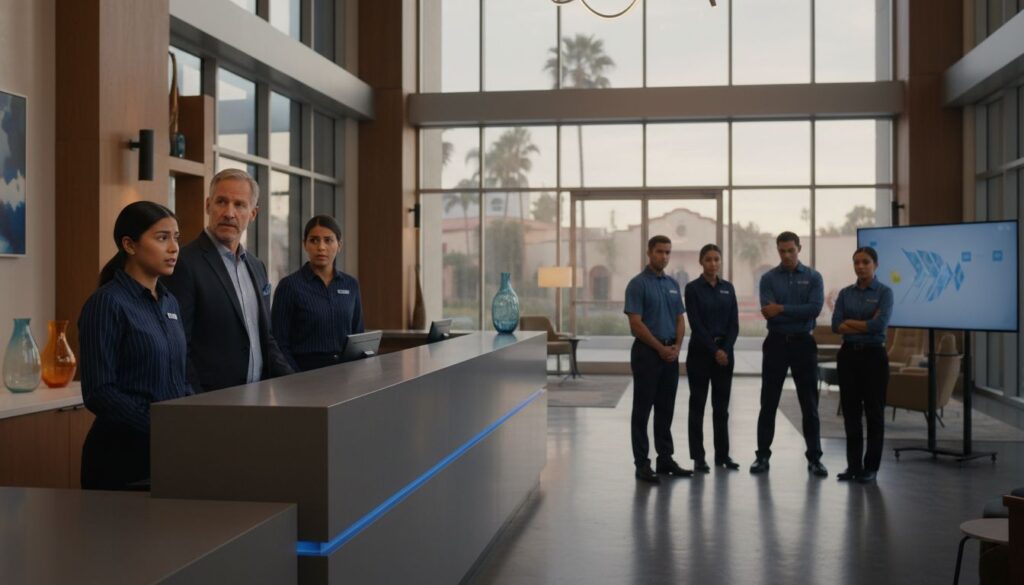
Nearly half of hospitality workers report experiencing sexual harassment during their careers, highlighting a serious threat hiding behind the industry’s friendly facade. This issue puts both staff well-being and business reputations at risk, especially where training, reporting, and oversight fall short. Understanding the most common loopholes in hospitality harassment prevention can help leaders strengthen workplace safety, protect vulnerable employees, and build a culture grounded in respect.
Table of Contents
- 1. Inadequate Staff Training on Sexual Harassment Policies
- 2. Poor Reporting Systems for Harassment Complaints
- 3. Lack of Manager Accountability and Oversight
- 4. Failure to Protect Vulnerable Employee Groups
- 5. Ignoring Early Warning Signs or Complaints
- 6. Insufficient Communication of Employee Rights
- 7. Neglecting Legal Compliance and Local Ordinances
Quick Summary
| Takeaway | Explanation |
|---|---|
| 1. Improve Sexual Harassment Training | Customize training to hospitality specifics and include interactive scenarios. |
| 2. Establish Effective Reporting Systems | Create clear, accessible channels for reporting without fear of retaliation. |
| 3. Ensure Manager Accountability | Actively involve managers in monitoring and addressing harassment issues. |
| 4. Safeguard Vulnerable Employee Groups | Develop targeted protections and training for marginalized workers. |
| 5. Communicate Employee Rights Clearly | Use multilingual resources to educate employees about their rights and protections. |
1. Inadequate Staff Training on Sexual Harassment Policies
The hospitality industry has a critical vulnerability that puts workers and businesses at massive risk sexual harassment training failures. Workers in restaurants, hotels, and service environments face some of the highest rates of workplace harassment due to complex power dynamics and close workplace interactions.
The National Restaurant Association recognized this systemic problem by introducing the ServSafe Workplace training suite specifically designed to address sexual harassment prevention. This industry specific program signals a crucial acknowledgment that generic training modules simply do not work in high contact service environments.
Key Training Deficiencies Include:
- Lack of interactive training experiences
- One size fits all training approaches
- Minimal understanding of reporting mechanisms
- Insufficient role specific scenarios
Effective sexual harassment training must go beyond checking compliance boxes. It requires creating an organizational culture of respect where employees understand boundaries, feel empowered to speak up, and know precisely how to document and report inappropriate behavior.
Workplace training should incorporate real world scenarios specific to hospitality settings like kitchen environments, front desk interactions, and housekeeping situations. Interactive modules that simulate challenging workplace interactions can help employees develop practical skills for recognizing and addressing potential harassment.
The most successful training programs provide clear pathways for reporting incidents, protect employee confidentiality, and demonstrate management commitment to maintaining a safe workplace. Comprehensive training is not just a legal requirement but a fundamental strategy for creating a respectful professional environment.
2. Poor Reporting Systems for Harassment Complaints
The hospitality industry suffers from a critical vulnerability inadequate and ineffective systems for reporting sexual harassment. Without clear reporting mechanisms employees often feel trapped silenced and powerless when experiencing workplace misconduct.
International Union of Food, Agricultural, Hotel, Restaurant, Catering, Tobacco and Allied Workers’ Associations emphasizes the widespread problem of opaque reporting processes across global hotel chains. These broken systems create environments where harassment can persist unchecked.
Key Reporting System Failures Include:
- Complex reporting procedures
- Lack of confidentiality protections
- Minimal accountability for management
- Limited accessibility for reporting incidents
- Fear of professional retaliation
The American Hotel & Lodging Association underscores that effective reporting systems must prioritize employee safety and trust. Workers need clear accessible channels that guarantee confidentiality and prompt action.
Successful reporting mechanisms should include multiple communication methods anonymous reporting options third party investigation protocols and transparent follow up processes. Companies must create environments where employees feel genuinely supported and protected when reporting inappropriate behavior.
Management must demonstrate consistent commitment to investigating every complaint thoroughly and taking appropriate disciplinary action. This approach transforms reporting systems from passive bureaucratic processes into active tools for workplace safety and respect.
3. Lack of Manager Accountability and Oversight
Managerial negligence remains a fundamental weakness in preventing sexual harassment within hospitality environments. When leaders fail to actively monitor workplace interactions and enforce clear standards behaviors that undermine employee safety can flourish unchecked.
American Hotel & Lodging Association has recognized this critical problem by introducing mandatory anti sexual harassment policies specifically targeting management behavior. These enhanced safety measures signal a growing understanding that prevention requires active leadership engagement.
Critical Management Accountability Failures:
- Ignoring or minimizing harassment reports
- Inadequate documentation of incidents
- Inconsistent enforcement of workplace standards
- Limited training on recognizing inappropriate behavior
- Protection of high performing employees regardless of misconduct
Effective oversight requires managers to do more than simply react to incidents. They must proactively create workplace cultures that prioritize respect mutual understanding and clear professional boundaries. This means implementing robust training programs regular team discussions and transparent accountability mechanisms.
Managers should be evaluated not just on operational performance but on their ability to maintain a safe respectful workplace environment. This includes documenting interactions addressing potential risks and responding swiftly and consistently to any reported misconduct.
Ultimately successful harassment prevention demands a comprehensive approach where leadership demonstrates genuine commitment to employee safety through consistent action transparent policies and meaningful consequences for inappropriate behavior.
4. Failure to Protect Vulnerable Employee Groups
The hospitality industry harbors systemic vulnerabilities that disproportionately expose certain workers to sexual harassment risks. Marginalized employees often face significantly higher threats with minimal organizational protection.
International Union of Food, Agricultural, Hotel, Restaurant, Catering, Tobacco and Allied Workers’ Associations specifically highlights the extreme risks faced by hotel housekeepers most of whom are women and migrant workers who encounter frequent harassment with limited recourse.
High Risk Employee Characteristics:
- Migrant workers with limited legal protections
- Non native language speakers
- Young workers early in their careers
- Women working in isolated environments
- Part time and temporary staff
- Employees with limited workplace power
Vulnerable employees face unique challenges including language barriers uncertain immigration status economic dependency and limited understanding of workplace rights. These factors create environments where potential harassers recognize and exploit systemic power imbalances.
Effective protection requires targeted strategies that go beyond generic workplace policies. Organizations must develop specialized training programs create multilingual reporting mechanisms provide additional support resources and implement zero tolerance protocols that specifically address the unique vulnerabilities of marginalized workers.
Comprehensive protection means recognizing that workplace safety is not a one size fits all proposition. It demands nuanced understanding of individual employee experiences proactive risk mitigation and genuine commitment to creating environments where every worker feels secure respected and empowered regardless of their background or position.
5. Ignoring Early Warning Signs or Complaints
Sexual harassment often begins with subtle behaviors that escalate when left unchecked. Most workplace harassment incidents do not suddenly appear but develop through a progression of inappropriate interactions that are frequently overlooked or minimized.
American Hotel & Lodging Association emphasizes the critical importance of recognizing and addressing early warning signs before they transform into more severe workplace misconduct. Proactive intervention is key to preventing toxic workplace environments.
Common Early Warning Signs Include:
- Inappropriate comments or jokes
- Unwelcome physical proximity
- Persistent personal questions
- Uncomfortable nonverbal behaviors
- Repeated unwanted social media interactions
- Subtle power manipulation tactics
Employees and managers must understand that harassment rarely occurs as a sudden isolated incident. It typically emerges through a pattern of gradually escalating behaviors that test workplace boundaries. Recognizing these initial signs requires emotional intelligence training and a workplace culture that encourages open communication.
Effective prevention demands creating safe reporting mechanisms where employees feel empowered to voice concerns without fear of retaliation. This means establishing clear communication channels implementing thorough documentation processes and demonstrating consistent organizational commitment to maintaining professional respect.
Organizations must transform early warning sign recognition from a passive concept into an active workplace strategy. This requires ongoing training comprehensive policy development and a genuine commitment to creating environments where inappropriate behavior is immediately addressed and systematically discouraged.
6. Insufficient Communication of Employee Rights
Knowledge is power especially when it comes to workplace harassment protections. Many hospitality workers remain unaware of their fundamental legal rights leaving them vulnerable to potential misconduct and exploitation.
American Hotel & Lodging Association emphasizes the critical need for comprehensive multilingual communication of employee rights regarding workplace harassment. Understanding these rights is the first line of defense against potential workplace abuse.
Key Employee Rights That Must Be Communicated:
- Right to a harassment free workplace
- Protection from retaliation when reporting incidents
- Ability to file confidential complaints
- Access to external reporting mechanisms
- Legal recourse for persistent harassment
- Protection regardless of immigration status
Effective communication requires more than simply posting policies on a break room wall. Organizations must actively educate employees through interactive training sessions comprehensive written materials and ongoing dialogue that demystifies complex legal protections.
Workplace rights communication should be accessible tailored to diverse workforce demographics and delivered through multiple channels. This means providing information in multiple languages creating visual guides offering digital resources and ensuring that every employee understands their protections regardless of their background or position.
Ultimately empowering employees with clear knowledge of their rights transforms workplace culture from reactive to proactive creating environments where harassment is systematically prevented rather than inconsistently addressed.
7. Neglecting Legal Compliance and Local Ordinances
Legal compliance is not a bureaucratic checkbox but a fundamental cornerstone of workplace safety in the hospitality industry. Failing to understand and implement local harassment prevention ordinances creates significant organizational vulnerability.
American Hotel & Lodging Association emphasizes that legal compliance extends far beyond simple document filing. It represents a comprehensive commitment to creating safe professional environments that protect every employee.
Critical Legal Compliance Considerations:
- State specific harassment training requirements
- Local reporting mechanism regulations
- Workplace discrimination prevention statutes
- Documentation and record keeping mandates
- Employee protection legal frameworks
- Minimum standard workplace conduct guidelines
Comprehensive legal compliance requires more than passive understanding. Organizations must actively develop dynamic policies that evolve with changing legislative landscapes. This means regular legal audits comprehensive staff training and proactive policy modifications that anticipate potential regulatory shifts.
Successful implementation demands a multilayered approach that integrates legal expertise organizational culture and employee education. Businesses must view legal compliance as an ongoing dialogue not a static set of rules transforming workplace protection from a regulatory obligation into a genuine commitment to employee dignity.
Ultimately protecting employees requires understanding that legal compliance is not about avoiding penalties but about creating workplaces where every individual feels valued respected and secure in their professional environment.
Below is a comprehensive table summarizing the key issues and strategies discussed throughout the article on addressing sexual harassment in the hospitality industry.
| Issue | Description | Suggested Strategies |
|---|---|---|
| Inadequate Staff Training | Generic training doesn’t suit high contact environments; lacks interactivity and role specificity. | Implement interactive, industry-specific training with realistic scenarios and clear reporting procedures. |
| Poor Reporting Systems | Complex processes lead to underreporting; lacks confidentiality and accessibility. | Develop simple, clear reporting channels with anonymous options and strong confidentiality protections. |
| Lack of Manager Accountability | Managers often dismiss complaints and protect offending employees. | Introduce robust oversight with managerial evaluations based on maintaining safe work environments. |
| Failure to Protect Vulnerable Groups | Marginalized workers face higher risks with minimal support. | Provide targeted multilingual resources and protection specifically for vulnerable employees. |
| Ignoring Early Warning Signs | Subtle behaviors escalate when unchecked. | Train to recognize and promptly address initial signs to prevent escalation. |
| Insufficient Communication of Rights | Workers often unaware of legal protections against harassment. | Offer comprehensive, multilingual education on employee rights and reporting mechanisms. |
| Neglecting Legal Compliance | Failure to follow local ordinances increases vulnerabilities. | Conduct regular legal audits and update policies to comply with evolving regulations. |
Protect Your Workplace From Sexual Harassment Risks Today
The hospitality industry faces serious challenges in preventing sexual harassment due to failures in training, reporting, and management accountability. If your business struggles with ensuring clear harassment policies or your employees feel unsafe speaking up, you are not alone. Common issues like inadequate staff training and poor reporting systems leave workers vulnerable and can expose your organization to legal and reputational harm.
At Serendib Law Firm, we understand these complexities and are committed to helping Orange County businesses address sexual harassment effectively. Explore our Sexual Harassment Archives | Serendib Law Firm to learn more about your legal rights and proactive strategies. Take the first step toward creating a respectful and protected workplace by contacting us now. Visit Serendib Law Firm for a free consultation and expert guidance tailored to your needs.
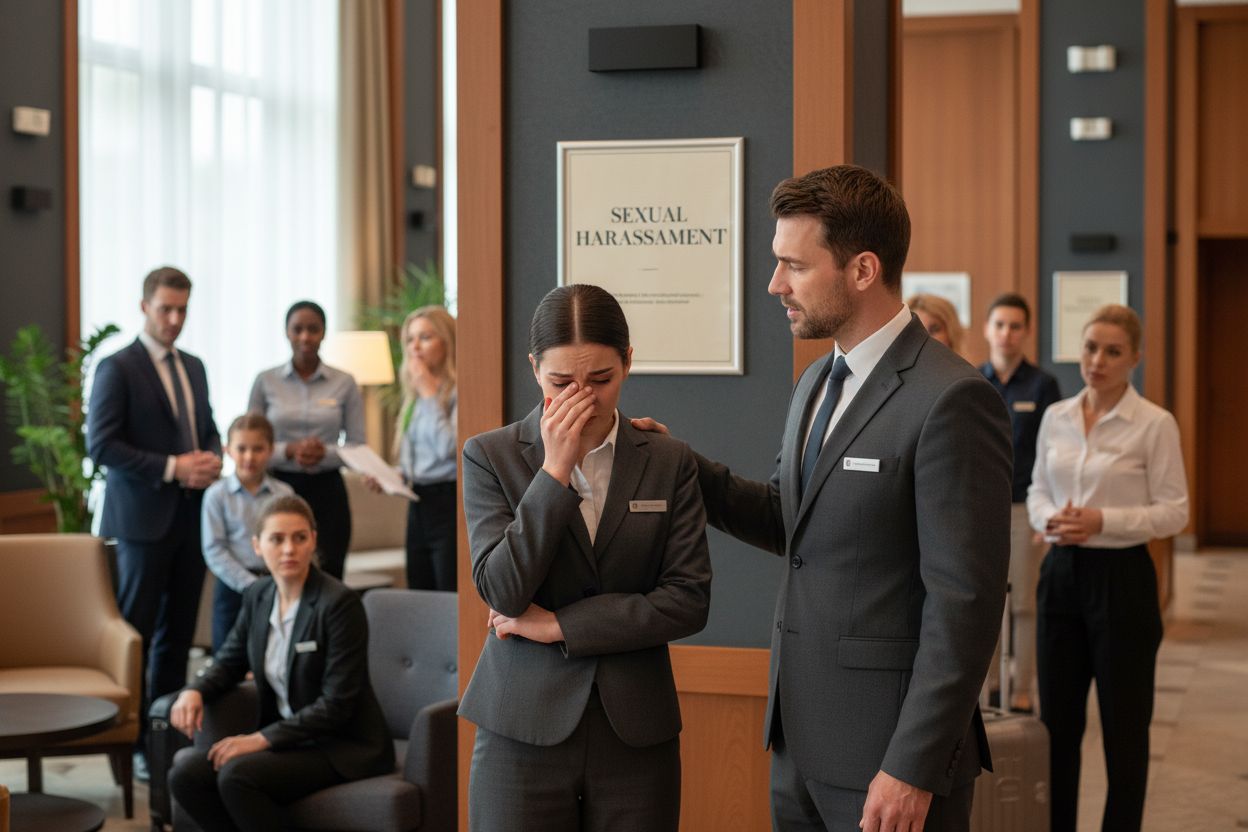
Frequently Asked Questions
What should be included in effective sexual harassment training for hospitality staff?
Effective sexual harassment training should include interactive experiences, role-specific scenarios, and clear reporting mechanisms. Implement comprehensive training programs within 30–60 days to cultivate a culture of respect and empower employees to speak up.
How can hospitality managers improve reporting systems for harassment complaints?
Hospitality managers can improve reporting systems by simplifying procedures and ensuring confidentiality protections. Establish multiple accessible reporting channels and investigate complaints thoroughly within a week to make employees feel safe and supported.
What are the key responsibilities of managers in preventing sexual harassment?
Managers must actively monitor interpersonal dynamics, enforce workplace standards, and document incidents effectively. Set a schedule for regular training and team discussions to prioritize workplace safety and respect every month.
How can organizations protect more vulnerable employee groups from harassment?
Organizations can protect vulnerable employees by implementing targeted training programs and providing multilingual reporting options. Integrate specific support resources and zero-tolerance policies designed for marginalized workers within the next quarter.
What actions should be taken when early warning signs of harassment are observed?
When early warning signs of harassment appear, it’s essential to address them immediately and communicate openly about the situation. Establish a procedure for reporting concerns and responding to them within 48 hours to prevent escalation.
How can employees be better informed about their rights regarding workplace harassment?
Employers should enhance knowledge about employee rights by delivering comprehensive training and ongoing discussions around legal protections. Create accessible materials and resources to ensure all employees understand their rights within the next few months.
One Response