
Over 60 percent of american security officers work under conditions that demand constant vigilance, even during scheduled rest breaks. This unique challenge sets their daily experience apart from most other professions. With legal shifts like California’s AB 1512, understanding the evolving rights and responsibilities around workplace breaks has become more important than ever. This article breaks down why these changes matter for security professionals and what practical adjustments are taking place across the industry.
Table of Contents
- Defining AB 1512 for Security Officers
- On-Call Rest Periods: Legal Changes Explained
- Anaheim Guard Companies Implementing AB 1512
- Employee Rights and Employer Responsibilities
- Addressing Risks, Disputes, and Legal Remedies
Key Takeaways
| Point | Details |
|---|---|
| AB 1512 Implementation | Security companies must adapt operational protocols to comply with AB 1512, allowing security officers to remain on premises during rest periods. |
| On-Call Rest Breaks | Unionized security officers may be required to monitor communication devices during rest breaks based on their collective bargaining agreements. |
| Employee Rights | Officers have the right to clear communication regarding rest break expectations and compensation for any interruptions during these periods. |
| Dispute Resolution | Collective bargaining agreements need to incorporate arbitration procedures to effectively manage conflicts and disputes regarding rest periods. |
Defining AB 1512 for Security Officers
AB 1512 represents a significant legal advancement for security officers in California, specifically addressing their workplace rights during rest periods. Signed into law on September 30, 2020, this legislation amends California Labor Code Section 226.7 to provide unique workplace accommodations for unionized security personnel.
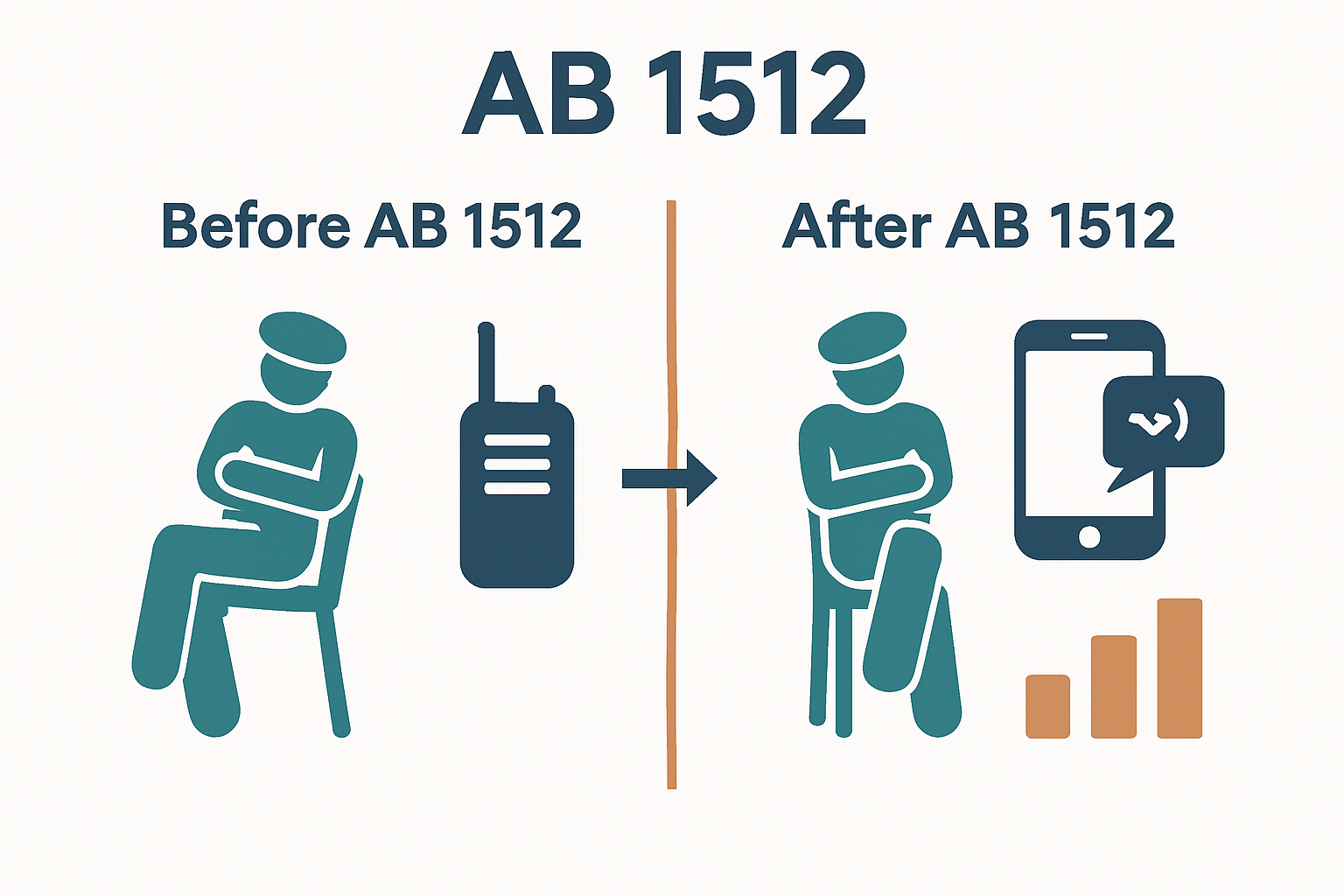
The core purpose of AB 1512 centers on creating flexible rest period guidelines specifically tailored to security officers. Unlike traditional labor regulations, this law allows certain unionized security professionals to remain on premises and on call during their designated rest breaks. This means security officers can now legally carry and monitor communication devices while technically being “at rest,” a nuanced approach recognizing the unique nature of security work.
Key provisions of AB 1512 include:
- Permitting unionized security officers to remain on work premises during rest periods
- Allowing officers to carry and monitor communication devices while resting
- Providing legal protection for security professionals who maintain partial work readiness during breaks
Understanding AB 1512 requires recognizing the complex balance between worker protection and the specialized requirements of security employment. By acknowledging that security roles often demand continuous situational awareness, the legislation offers a pragmatic approach to rest period regulations that respects both worker rights and professional responsibilities.
On-Call Rest Periods: Legal Changes Explained
AB 1512 introduced groundbreaking changes to how security officers experience rest periods, creating a unique legal framework that balances workplace flexibility with worker protections. Effective January 1, 2021, the legislation allows employers to implement specific on-call rest break requirements for unionized security professionals that differ from traditional labor regulations.
Under the new legal guidelines, unionized security officers may be required to remain on premises and carry communication devices during rest breaks, provided their collective bargaining agreement meets certain predefined criteria. This nuanced approach recognizes the unique operational demands of security work, where continuous situational awareness is often critical.
Key implications of these on-call rest period regulations include:
- Allowing employers to mandate that security officers stay on work premises during breaks
- Permitting continuous monitoring of communication devices
- Requiring collective bargaining agreements to explicitly outline on-call rest break protocols
The legislation represents a significant shift in how rest periods are conceptualized for security professionals. By acknowledging the distinctive nature of security work, AB 1512 provides a legal framework that respects both worker rights and the specialized requirements of maintaining public safety. Security officers now have a clear, legally sanctioned mechanism for managing rest periods that aligns with the dynamic nature of their professional responsibilities.
Anaheim Guard Companies Implementing AB 1512
Security companies in Anaheim are rapidly adapting to the new legal landscape created by AB 1512, strategically revising their operational protocols to comply with the updated rest period regulations. Employers across California are implementing changes that align with the law’s specific requirements, ensuring that unionized security officers can legally remain on premises during their designated rest breaks.
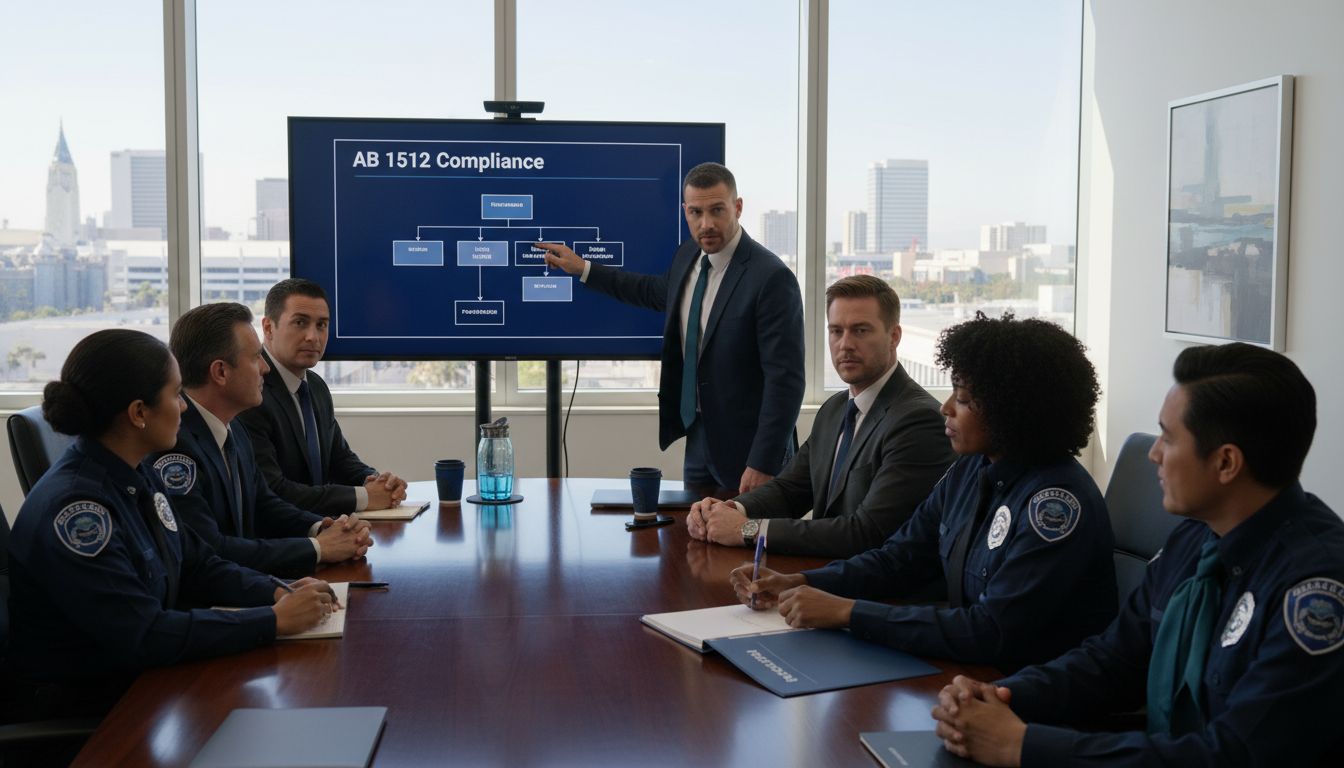
Security companies in the region are modifying their collective bargaining agreements to explicitly outline on-call rest break protocols, creating a new standard for how security professionals manage their work responsibilities. This shift requires careful negotiation between employers and union representatives to ensure that the new rest period guidelines meet both legal requirements and operational needs.
Key implementation strategies for Anaheim guard companies include:
- Updating collective bargaining agreements to reflect AB 1512 requirements
- Training security officers on the new rest period protocols
- Developing clear communication guidelines for on-call rest periods
- Ensuring compliance with both union contracts and state labor regulations
The implementation of AB 1512 represents a significant shift in how security work is conceptualized in Anaheim and throughout California. By recognizing the unique nature of security roles, the legislation provides a framework that balances worker protection with the critical need for continuous safety monitoring. Guard companies must now carefully navigate these new regulations, creating innovative approaches that respect both legal requirements and the essential role of security professionals in maintaining public safety.
Employee Rights and Employer Responsibilities
AB 1512 introduces a complex landscape of rights and obligations for both security officers and their employers, fundamentally reshaping the traditional understanding of rest periods in unionized security work. Employers must carefully ensure that collective bargaining agreements explicitly address rest period protocols, with specific provisions for compensation and operational expectations.
The legislation establishes a nuanced framework that balances worker protection with operational flexibility. Security officers retain critical rights, including the expectation of reasonable compensation when rest periods are interrupted or modified. Employers, meanwhile, must develop transparent policies that clearly communicate the unique requirements of on-call rest breaks, ensuring that security professionals understand their obligations and protections.
Key employee rights under AB 1512 include:
- The right to clear communication about on-call rest break expectations
- Compensation for interrupted or modified rest periods
- Protection against unreasonable work demands during rest breaks
- Maintaining the ability to challenge inappropriate rest period requirements
Employer responsibilities extend beyond mere policy implementation. They must actively engage with union representatives, develop comprehensive training programs, and create systems that respect both the legal requirements of AB 1512 and the practical realities of security work. This approach demands a collaborative strategy that recognizes the unique challenges faced by security professionals while maintaining rigorous standards of workplace protection and operational effectiveness.
Addressing Risks, Disputes, and Legal Remedies
AB 1512 introduces a comprehensive framework for managing potential conflicts between security officers and their employers, recognizing the complex nature of rest period regulations in security work. The legislation strategically addresses potential risks by establishing clear mechanisms for dispute resolution and legal recourse.
Collective bargaining agreements must now include final and binding arbitration procedures specifically designed to address rest period disputes, providing security officers with a structured pathway to resolve workplace conflicts. This approach ensures that potential disagreements about rest periods can be addressed efficiently and fairly, without necessarily escalating to more complex legal proceedings.
Key dispute resolution strategies include:
- Mandatory arbitration clauses in collective bargaining agreements
- Clear documentation of rest period expectations and interruptions
- Formal mechanisms for challenging inappropriate work assignments
- Documented compensation protocols for interrupted rest periods
The legal remedies established by AB 1512 represent a nuanced approach to workplace protection. Security officers now have explicit legal protections that recognize the unique demands of their profession while maintaining robust mechanisms to challenge potential workplace violations. This balanced framework empowers security professionals to assert their rights while providing employers with clear guidelines for managing rest period complexities.
Protect Your Rights Under AB 1512 in Anaheim Security Work
Security officers in Anaheim face unique challenges with the introduction of AB 1512. This law changes how rest periods are handled, requiring many unionized officers to remain on premises and monitor communication devices even during breaks. These changes can create uncertainty and stress about their rights and employer obligations. If you are navigating complex issues like on-call rest periods, collective bargaining requirements, or potential disputes, you need trusted legal support that understands these specific workplace protections.
At Serendib Law Firm, we specialize in Employment Law matters affecting security professionals across Orange County. Our dedicated team is here to help you assert your rights while ensuring your employer complies with AB 1512’s regulations. Visit our Anaheim Archives to learn more about local legal developments and explore comprehensive resources for workers like you. Don’t wait until a dispute disrupts your career or wellbeing. Contact us today at https://serendiblaw.com to schedule your free consultation. Protect your workplace rights with experienced advocacy tailored to your unique professional demands.
For broader employment law insights across the region, check out our Orange County Archives and get informed about your options now.
Frequently Asked Questions
What is AB 1512 and how does it affect security officers?
AB 1512 is a California law that amends labor regulations to provide specific workplace rights for unionized security officers, allowing them to remain on premises and monitor communication devices during designated rest periods.
How do on-call rest periods work under AB 1512?
Under AB 1512, unionized security officers may be required to stay on work premises during rest breaks and carry communication devices. Employers must outline these requirements in collective bargaining agreements.
What are the employee rights under AB 1512?
Security officers have the right to clear communication about on-call rest expectations, compensation for interrupted rest periods, protection against unreasonable work demands during breaks, and the ability to challenge inappropriate rest requirements.
How do employers ensure compliance with AB 1512?
Employers must update collective bargaining agreements to include specific on-call rest break protocols, engage in training for security officers, and develop transparent policies that respect both the law and the unique nature of security work.